
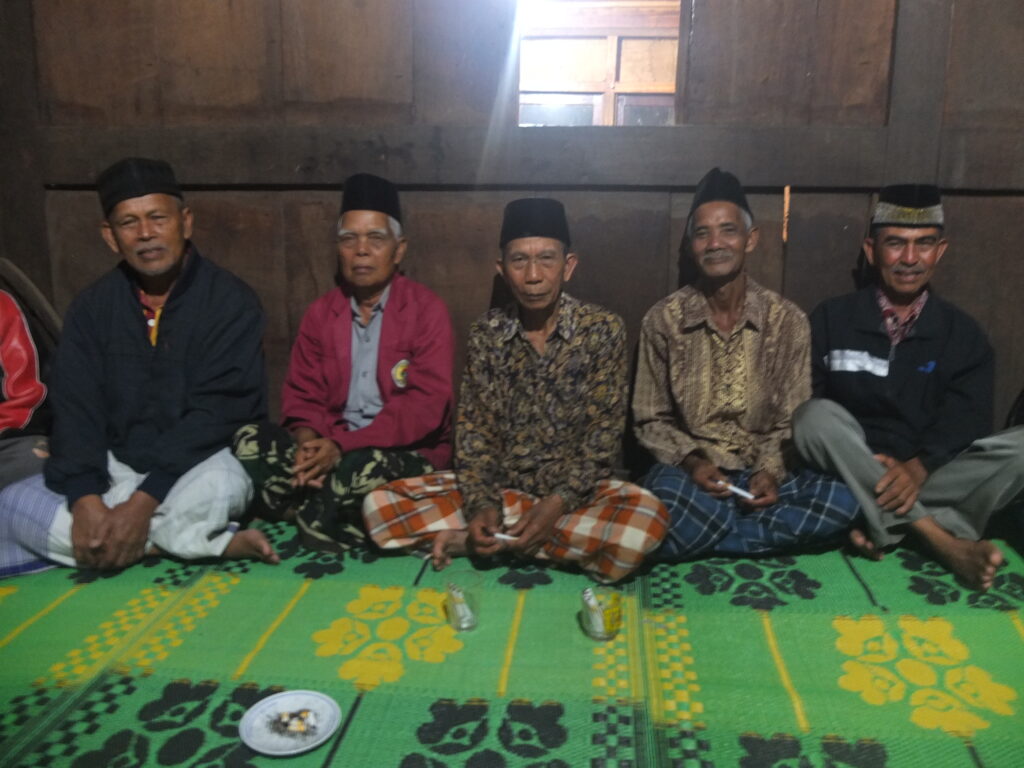
This small project aims at making a „Guritan“ story from the highlands of Sumatra recorded in 1988 accessible to those interested in oral traditions of Indonesia and the world. „Guritan“ is an oral epic, often a heroic tale that is sung during an evening or late night gathering. Until the late 20th century, it was still practiced as performative art form, though the singers, or bards, were mostly elderly men with no apprentices.
During the research project on „Bengkulu markets“, my fellow researcher Michele Galizia arranged for these recordings to be made. The project will (i) digitalize the content of these recordings (made on then customary MC-tapes), (ii) produce transcriptions and (iii) propose some possible lines of research.
To my knowledge, no prior research exists on „Singers of Tales“ in the traditionally Rejang-speaking area of Curup, a medium-sized town in the highlands of Bengkulu province. However, for the Pasemah-speaking area south of Curup, there is the work of William Collins (1998), „The Guritan of Radin Suane: A study of the Besemeh oral epic from South Sumatra“, which will be an important reference.
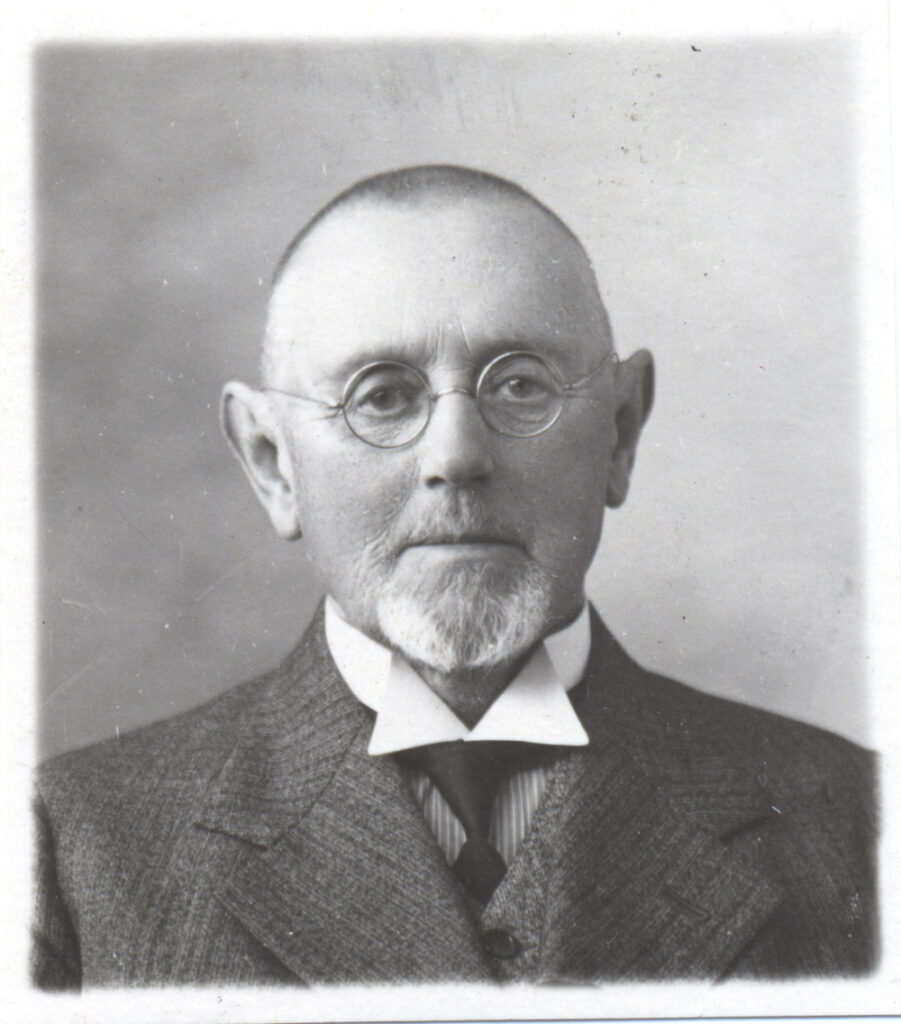
For my research in Indonesia, I had to become fluent in Indonesian. In 2007, I rediscovered the writings of Renward Brandstetter. That was shortly before his 150th birthday, coming up in 2010. I managed to mobilize a group of former colleagues and researchers for a conference. The objective was to revisit Brandstetter’s work which had given the notion of “Austronesian languages” a systematic depth not reached before.
The conference papers were edited by Robert Blust and myself under the title “A world of words” (2012, out of print). For those who read German, there is a related booklet edited by Iwar Werlen and published by the Swiss Academy of the Social Sciences, “Renward Brandstetter (1860−1942). Beiträge zum 150. Geburtstag des Schweizer Dialektologen und Erforschers der austronesischen Sprachen und Literaturen.» This volume also contains a transcript of his autobiography.
In the years that followed I wrote a biography on Brandstetter that takes a comprehensive approach to his life and idiosyncratic work. The book (in German) was published in 2019 by Harrassowitz, Wiesbaden.
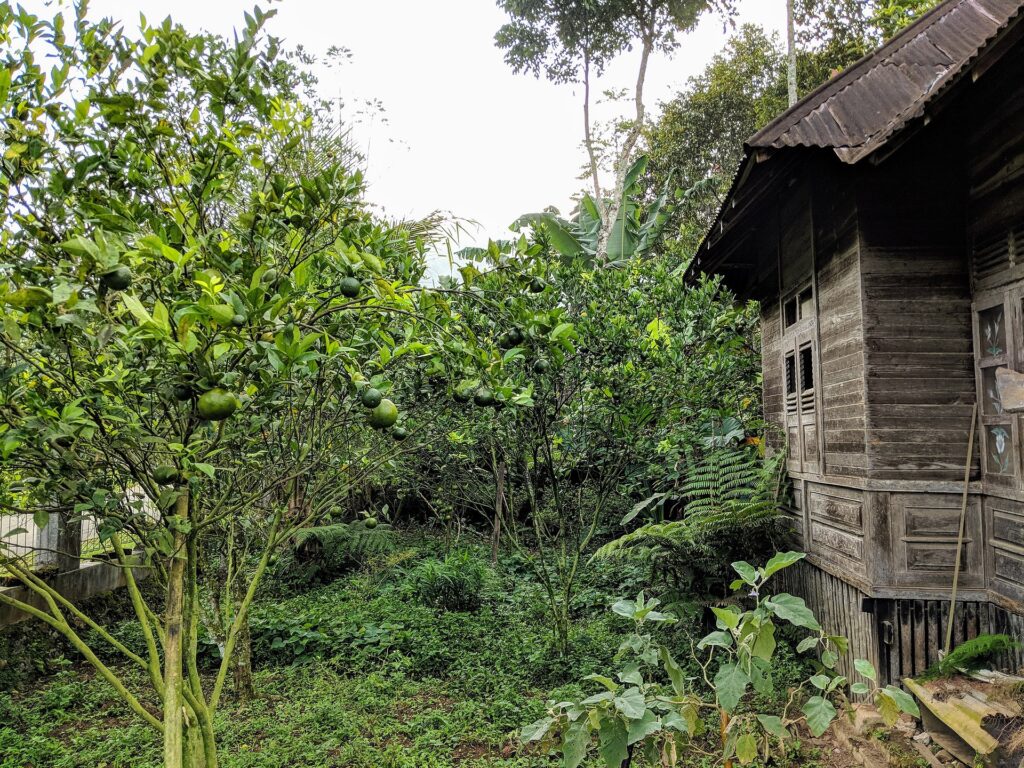
All over the world, homegardens are spaces densely planted with crops that supply food to households and often serve to maintain significant agro-biodiversity in situ. These are also idea places to study the principles of agro-ecology, an idea elaborated on the example of the Javanese homegarden by Otto Soemarwoto in 1975. I had the privilege to advise on a global program – led by IPGRI’s Pablo Eyzaguirre – that brought together agricultural researchers from many countries with the aim to better understand homegardens. One of the fruits of that research was a book edited by Pablo and Olga Linares and published by Smithsonian, to which I contributed a chapter.
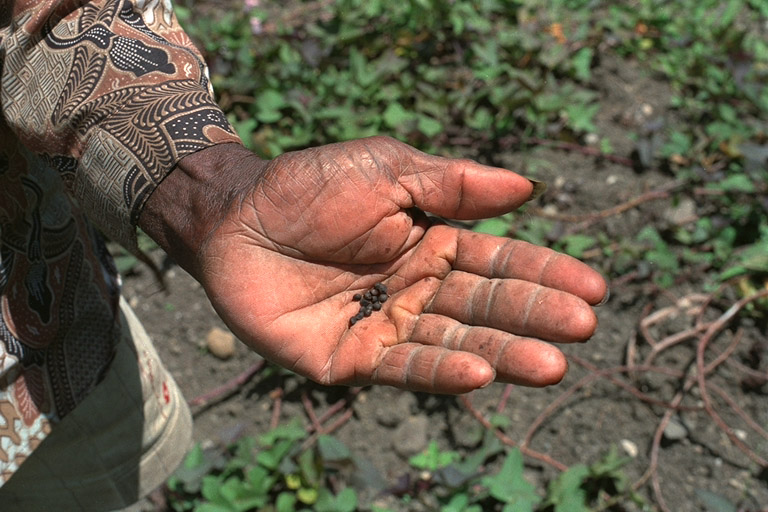
When the CBD was adopted at the Rio Conference on SD in 1992, it provided an impetus to (applied) research on local or indigenous knowledge. The conservation of local sweet potato varieties in Indonesia, and the documentation of farmers’ knowledge about their varieties was the objective of a research project initiated by CIP (International Potato Center, Lima), supported by SDC and implemented by CIP’s regional office in Bogor. As a social scientist with CIP, I set up the collaborative project organization with Indonesian agricultural research institutions and universities. We built a methodical framework for the study and organized several plant collection missions, including two to West Papua.
For an overview on sweet potato in the Papua highlands, see CIP’s annual report 1994. (pp. 12–15). In CIP’s Programm report from 1997–98 my mentor for this work, Gordon Prain, talks in detail about „Farmer maintenance of sweet potato diversity in Asia“ (pp. 317–28). The chapter also summarizes the findings of our sweet potato research with farmers in the West Papuan highlands.
Our research was embedded into CIP’s global work on sweet potato, and benefited from exchange and coordination between agronomists, plant breeders, and anthropologists. Most important: we learned from farmers how they managed their agrobiodiversity in situ – having built over time an impressive sweet potato varietal diversity as an economic, social and ecological resource.
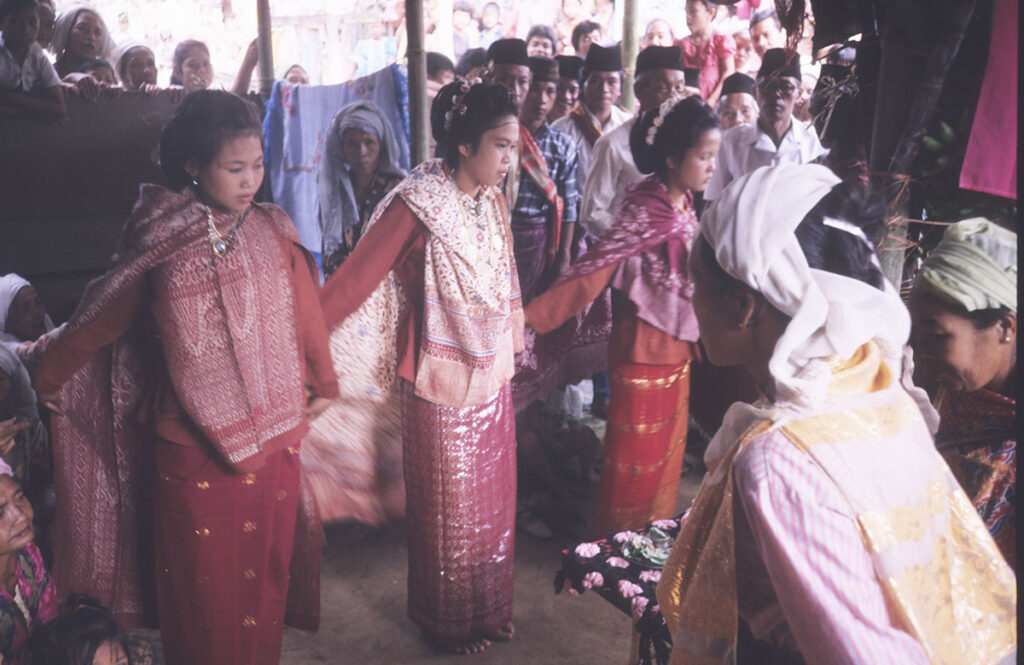
This large research project – funded by the Swiss National Science Foundation – supported five Ph.D. students. Under the guidance of Prof. Wolfgang Marschall, the group carried out joint research into the market system of a highland region in Sumatra, followed by individual research on specific aspects of economic development and political integration in that area. The results were published in a series of five monographs.
My research focused on the transformation of rice agriculture through intensification programs in the 1970s and 1980s, and its impact on the farming system and farming households (Ph.D. thesis, published in 1995, “From Upland to Irrigated Rice”, Reimer, Berlin).
As a group and individually, we came out of this multi-year research effort much enriched, professionally and personally. As the saying goes: “anthropologists are made during their fieldwork”.

This research project was funded by the Swiss National Science Foundation and carried out by collaborators of the Historical Institute, University of Berne under Prof. Beatrix Mesmer. We worked both at the central historical archives of the Canton of Berne, as well as in the district archives to establish an inventors of early statistical sources (16th – early 19th centuries) before modern centralized statistics were established (which was in the first half of the 19th century, in most European states). Contributing to contemporary research – local histories, quantitative methods.
It was important to get into the depth of these source materials and to see how the early modern state, in the case of Berne, was counting – population, households, epidemics etc.
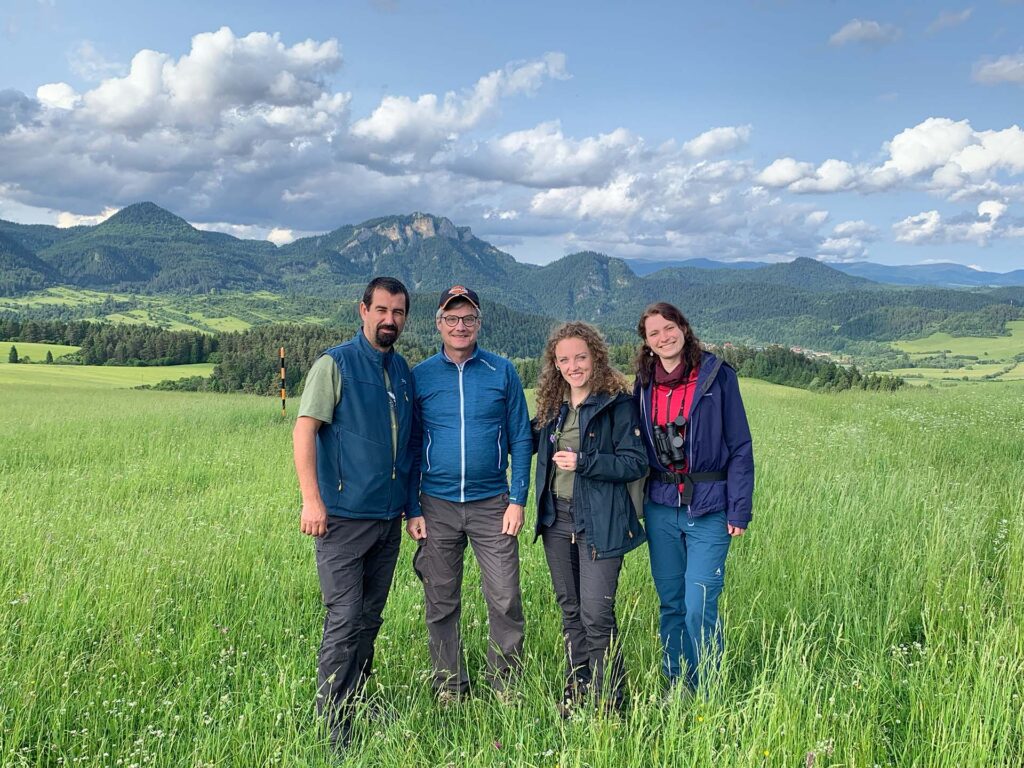
Cohesion policy is part of the EU’s approach to reduce disparities – in economic and social terms – between regions. Since 2005, Switzerland contributes to EU cohesion with funding from a separate framework credit implemented bilaterally with selected member countries of the EU. A second period of funding running from 2019–2029 is currently implemented in 13 countries, including the Czech Republic (CHF 76.9 mio) and Slovakia (CHF 44.2 mio). I served for three years in our Embassies in Bratislava and Prague to set up the operations. Our partner ministries developed programs in sectors like health, environment or research, which I then steered through the approval process. At the end of 2024, all seven programs for the two countries had been formally approved and were ready for implementation.
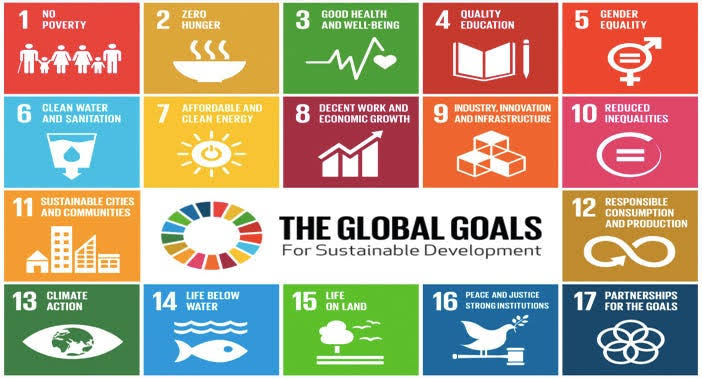
While we are currently seeing a disruption and defunding of international cooperation, or “aid” to use the classic word, it is important to remember that the development cooperation and relevant policies have evolved in a globally coordinated way since 1960 when the DAC as established at OECD’s headquarters in Paris. The DAC has played an important role in establishing statistics on aid, policy standards and a shared space for learning and assessing the international cooperation system of fellow DAC member states through “peer reviews”. For example, during my time as a delegate for Switzerland to the DAC, our country was – with the Netherlands – reviewing the Czech Republic. Peer reviews are very useful in assessing a sectoral policy of a country, and they provide recommendations on how to improve or adjust policies and institutional set-ups. It then depends on the government and agencies concerned to work on the recommendations, and show achievements when the next review comes up.
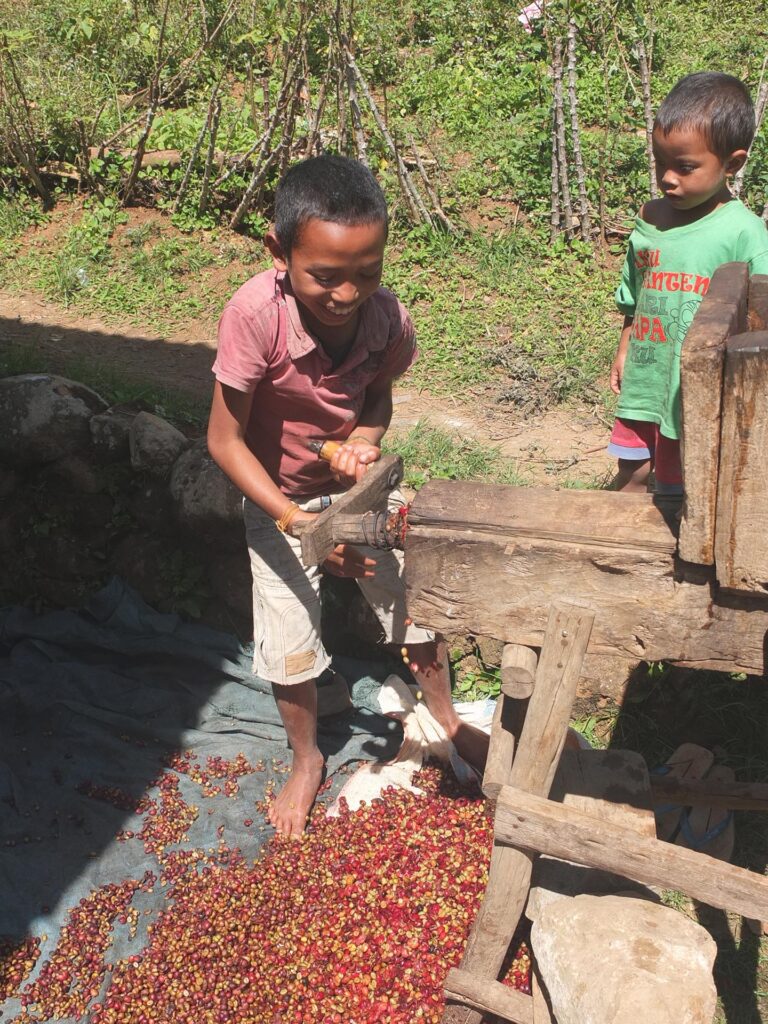
The economic development co-operation program between Switzerland and Indonesia is part of Switzerland’s development cooperation and is running since 2010. I served as head of the cooperation office in our Jakarta Embassy from 2010–2014 to set up operations and build the program from very few activities into an annual program of roughly 20 million CHF. The program is now in its fifth four year programme cycle (2025−2028).
In the challenging institutional and physical environment of the Indonesian capital, the multiple tasks of programme identification, coordination, management and networking needed to be tackled in a spirit of prioritization, efficiency, and trust-building with potential partners.